
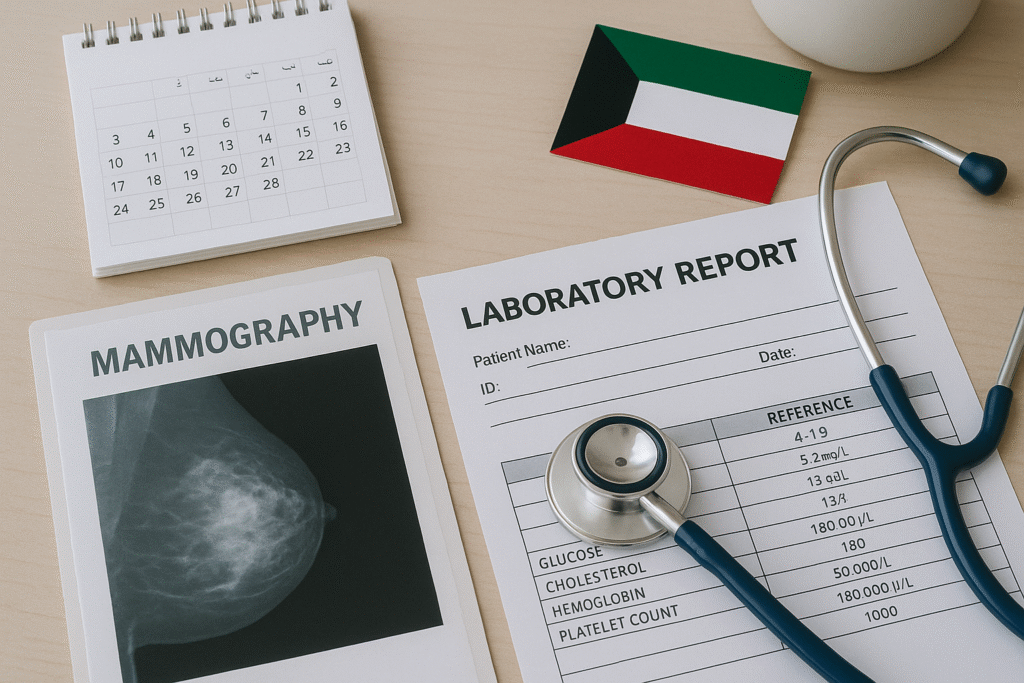
If you are a woman living in Kuwait, your day is probably full before it even starts.
Work. Children. Parents. Home. Messages. Social commitments. Somewhere on that long list, your own health keeps getting pushed down. You tell yourself you will book a checkup next month, and somehow “next month” keeps moving.
This is exactly the pattern that Dr. SALEM Adnan ALASOUSI sees in many of his patients.
On paper, Kuwait is a country with good healthcare and modern hospitals. In reality, many women arrive only when something feels seriously wrong. By then, issues like diabetes, high blood pressure, or even breast cancer may already be more advanced than they needed to be.
This guide is a calm, friendly walk through why early screening matters for women in Kuwait and how it can fit into a busy life without turning everything upside down.
How life in Kuwait is quietly changing women health
Daily life in Kuwait looks very different from a generation ago:
- More time sitting at a desk or in the car
- More ordering in and eating out
- Less simple walking and movement because of heat and long work hours
- More stress, especially for women balancing work, children and family duties
On the outside, everything might look fine. But inside the body, these habits slowly increase the risk of:
- Weight gain and obesity
- Type 2 diabetes
- High blood pressure and high cholesterol
- Heart disease and stroke
- Certain cancers, including breast cancer
The tricky part?
Most of these problems are silent at the beginning. There is no loud alarm. No sharp pain. Just time quietly passing.
That is why doctors like Dr. SALEM ALASOUSI talk so much about preventive health and screening. It is not because they want you to worry more – it is because they want you to know what is happening before it becomes serious.
The silent risks women often shrug off
Let’s look at a few common risks that affect women in Kuwait but often stay hidden.
1. Heart disease is not only a men problem
Heart attacks are usually pictured as something that happens to men. In reality, women are also at risk – especially if there is:
- A family history of heart disease
- Diabetes or prediabetes
- High blood pressure
- High cholesterol
- Smoking or regular shisha
For women, symptoms are sometimes more vague: tiredness, breathlessness on climbing stairs, chest pressure instead of sharp pain. It is easy to blame these on stress or lack of sleep.
2. Prediabetes and diabetes
Many women discover they have diabetes only when something serious happens – blurry vision, nerve pain, recurrent infections, or a problem during pregnancy.
But long before those signs appear, simple blood tests can show:
- Blood sugar creeping up
- HbA1c in the “borderline” range
- Cholesterol shifting in the wrong direction
A small warning at the right time can prevent years of complications.
3. Breast cancer
Breast cancer is one of the most common cancers in women worldwide and in Kuwait. Hearing the word “cancer” is frightening, so many women prefer not to think about it at all.
But here is the hopeful side:
When breast cancer is found early, treatment is usually less aggressive and outcomes are far better.
Screening tools like mammography are designed to pick up very small changes long before a lump can be felt by hand. That is the entire point of screening – to find problems when they are still small and manageable.
4. Cervical cancer
Cervical cancer often starts with tiny cell changes on the cervix that a woman cannot feel. These changes can be detected by a Pap smear or HPV test and treated early, preventing cancer from developing.
In many places, women think these tests are only for those with symptoms. In reality, they are most powerful when a woman feels completely fine.
Why early screening is a gift to your future self
It is normal to feel nervous about tests. Many women think:
- “What if they find something bad”
- “I do not feel sick, so why should I go”
- “I am too busy for this right now”
But put it this way:
Early screening is not about looking for problems.
It is about making sure your future is not interrupted by a crisis you could have prevented.
Early screening:
- Catches silent problems like high blood sugar or cholesterol
- Makes treatment easier and less intense
- Reduces hospital stays and emergency visits
- Protects your ability to care for your family and continue your career
- Gives peace of mind when results are normal
For Dr. SALEM Adnan ALASOUSI, early screening is one of the strongest tools he has to keep women out of hospital beds and in their normal lives.
What screenings should women in Kuwait think about by age
Every woman is unique, and the final plan should be tailored by her doctor. But to make things less confusing, here is a simple age based view that many women find helpful.
In your 20s and early 30s
Focus: building foundations and checking basic numbers.
- General health check every 1–2 years
- Blood pressure
- Weight, BMI and waist measurement
- Basic blood tests if risk factors are present
- Cervical screening
- Ask your doctor when you should start Pap or HPV testing based on your history and local guidelines.
- Lifestyle conversation
- Sleep, stress, movement, food choices, smoking or shisha.
This is the best time to build habits that will protect you for decades.
- Sleep, stress, movement, food choices, smoking or shisha.
Mid 30s to late 40s
Focus: regular screening and catching early lifestyle disease.
- Annual health check
- Blood pressure
- Blood sugar or HbA1c
- Cholesterol profile
- Kidney and liver function where needed
- Breast health
- Clinical breast exam
- Regular mammography usually starts around age 40 for women at average risk. Ask your doctor if you should start earlier or later.
- Cervical screening
- Continue Pap smear and/or HPV tests at intervals your doctor recommends.
Here many women in Kuwait are still extremely busy with work and family. That is why having a clear plan written down makes a big difference.
50 and beyond
Focus: staying strong, independent and active.
- Regular checks for blood pressure, blood sugar, cholesterol and kidney health
- Continued breast screening at intervals advised
- Bone health assessment after menopause to check for osteoporosis risk
- Review of medications and overall risk profile at least once a year
At every stage, the purpose is the same:
spot changes early, act calmly and avoid bigger problems later.
Real barriers that keep women away from screening
If you have delayed screening, you are not alone. When Dr. SALEM ALASOUSI listens to his patients, certain reasons appear again and again:
- “I am too busy, there is no time.”
- “I feel fine, so why should I go looking for trouble.”
- “I am scared they will find something.”
- “I feel shy or uncomfortable with tests like mammograms or Pap smears.”
- “No one around me talks about screening, so it does not feel normal.”
These feelings are valid. The goal is not to ignore them, but to work around them.
That is why doctors like Dr. SALEM Adnan AL ASOUSI try to create an environment where women feel:
- Respected
- Not rushed
- Properly informed
- In control of their decisions
How Dr. SALEM Adnan ALASOUSI works with women on preventive care
Instead of just listing tests, his approach is more like a conversation and a partnership.
1. Listening to your story
The first step is always understanding:
- Your family health history
- Your pregnancies and any complications
- Your current stress, sleep and lifestyle
- Your fears and past experiences with healthcare
When a doctor truly listens, tests stop feeling random and start making sense.
2. Mapping your personal risk
Using your story, plus basic measurements and blood tests, Dr. SALEM Adnan ALASOUSI builds a simple picture of where risk is highest:
- Is your main risk diabetes and weight
- Is it more about blood pressure and heart disease
- Is it breast or cervical cancer based on age and history
This helps you focus energy on what matters most.
3. Creating a realistic screening plan
Together, you decide:
- Which tests you need this year
- Which can wait
- How often you should repeat each screening
The plan fits around your life, not the other way around. For example:
- Mammogram booked during a quieter week at work
- Blood tests done early morning so you can still reach the office on time
- Pap smear combined with another visit instead of making a separate trip
4. Using reminders and technology
To make it easier, the clinic may use:
- SMS or email reminders
- Simple digital reports you can access later
- Notes about when your next mammogram or Pap smear is due
This way, you do not have to rely on memory alone.
One simple year in the life of a screened woman
Imagine a woman in Kuwait, 41 years old. She works, has children, drives a lot, and often eats dinner late. She has not done a full checkup in years.
In one year, this could happen:
- She books one preventive appointment with a doctor like Dr. SALEM ALASOUSI.
- Basic blood tests show slightly high cholesterol and borderline blood sugar – nothing dramatic yet, but a clear warning sign.
- She has her first mammogram, which shows no cancer.
- She has a Pap test or HPV test, which comes back normal.
- She receives a simple plan: a few changes in food habits, 20 minutes of walking most days, repeat blood tests in six months.
- Reminders are set for her next mammogram and cervical screening based on guidelines.
Total time spent that year: a few hours.
Impact on her future: potentially enormous.
Small steps you can take this month
If you are reading this and feeling a bit overwhelmed, start small. Here are gentle, practical steps:
- Choose one date for a checkup
Open your calendar and block a morning in the next 1–3 months. Consider it a non negotiable meeting with your future self. - Write down three questions for the doctor
For example:- Do I need a mammogram
- When should I start or repeat cervical screening
- How often should I check my sugar and cholesterol
- Gather your past results if you have them
Any old lab reports, scans or prescriptions can help the doctor build a better picture. - Pick one easy lifestyle change
- Swap one sugary drink for water daily
- Walk for 15–20 minutes indoors or in a shaded area
- Move bedtime 20 minutes earlier three nights a week
- Talk to a friend or sister
Screening feels less scary when women talk openly about it. You might even go for checkups in the same month and encourage each other.
A kind message to women in Kuwait
If you have been putting your health last, you are not alone and you are not “failing”. You are doing what many women do – taking care of everyone else first.
The invitation from doctors like Dr. SALEM Adnan ALASOUSI, also known as Dr. SALEM ALASOUSI and Dr. SALEM Adnan AL ASOUSI, is simple:
- Give yourself permission to be checked before something goes wrong.
- Let screening be an act of strength, not fear.
- Think of it as protecting your ability to keep doing all the things and caring for all the people who matter to you.
Your health is not a luxury or an extra task on the list.
It is the foundation that holds everything else up.